Treating and Preventing Recurrent Aphthous Stomatitis (Canker Sores)
Posted on August 06, 2024 by Admin
Treating and Preventing Recurrent Aphthous Stomatitis (Canker Sores)
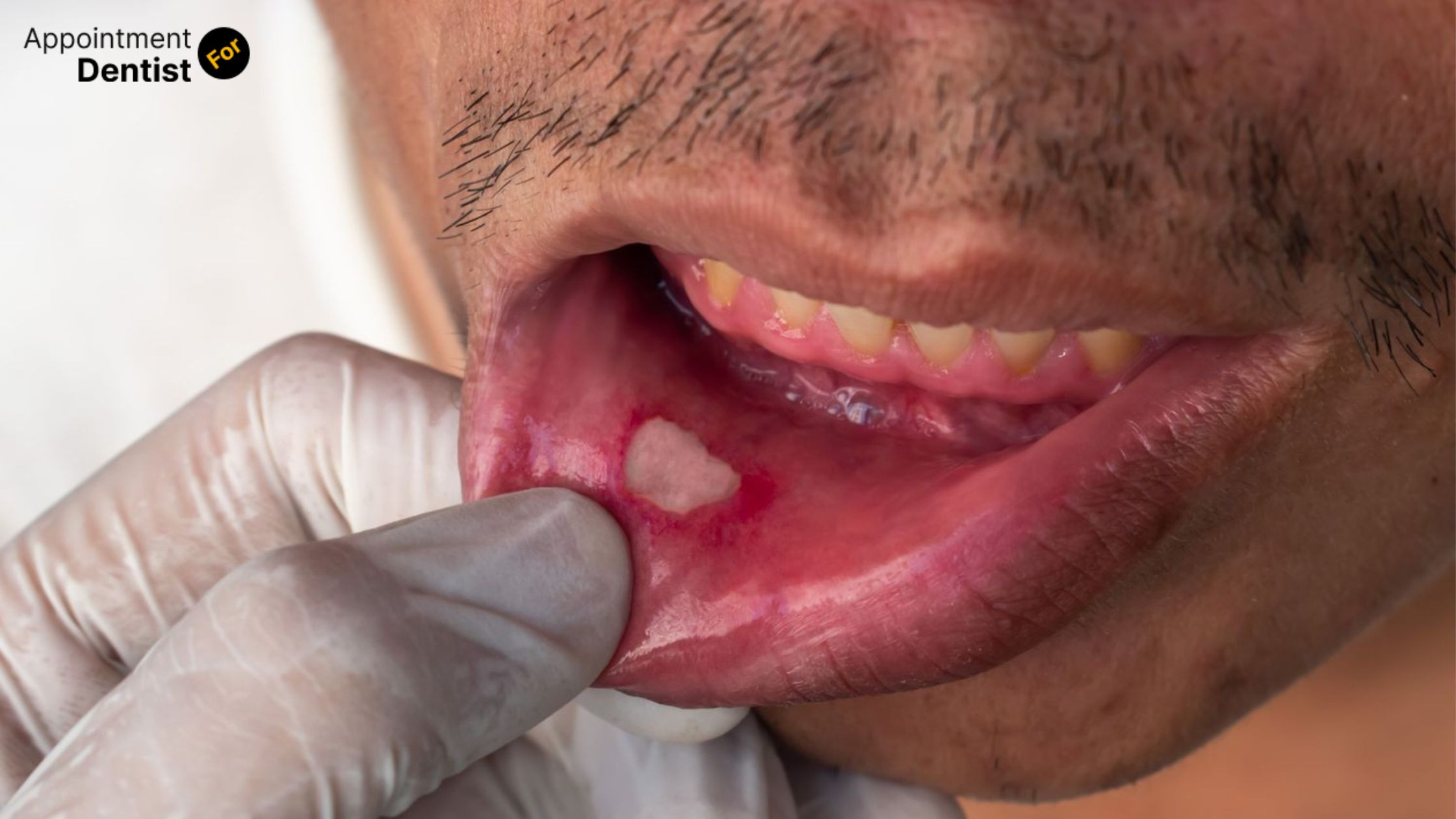
Canker sores, technically known as Recurrent Aphthous Stomatitis (RAS), are a common ailment among many in the society. These are tiny and painful ulcers that usually appear on the soft tissues of the mouth like inner cheeks, tongue, gums and underneath the tongue. They tend to disappear after some time though they can be incredibly painful; hence interfering with normal activities such as talking or eating. Managing this disease effectively requires that one understands what causes canker sore, its treatment options and how to prevent it from happening again.
Understanding Recurrent Aphthous Stomatitis
Canker sores differ from cold sores which are caused by herpes simplex virus and found on the lips or exterior part of someone’s mouth. In contrast, they are not contagious and considered to be connected with numerous elements like stress, lack of some nutrients in the body as well as other health complications. Generally such lesions usually display themselves as rounded or oval shaped wounds possessing a whitish or grayish basis and surrounding red margin.
Also Read: Things You Should Know About Dental Insurance
Causes and Triggers
The development of canker sores is attributed to various factors despite the fact that their exact cause is still unknown:
- Deficiencies in Nutrients: An increased risk for developing canker sores has been linked with vitamin and mineral deficiencies, particularly vitamins B12 folic acid iron as well as zinc.
- Stress: For example, emotional or physical stresses may prompt the formation of canker sores on some individuals’ bodies’ surfaces; however, it is believed altered immunity due to stress changes play a role in such conditions.
- Hormonal Changes: Canker sores might occur because of hormonal fluctuations like those occurring during menstruation or pregnancy.
- Food Sensitivities: On the same note, some foods like tomatoes or chocolates could promote these narcissistic lesions among people who are more vulnerable than others.
- Underlying health conditions: Chronic ulceration could be a symptom for Behçet’s disease or inflammatory bowel diseases like Crohn’s disease while autoimmune disorders are also possible reasons for recurrent canker sores.
Symptoms
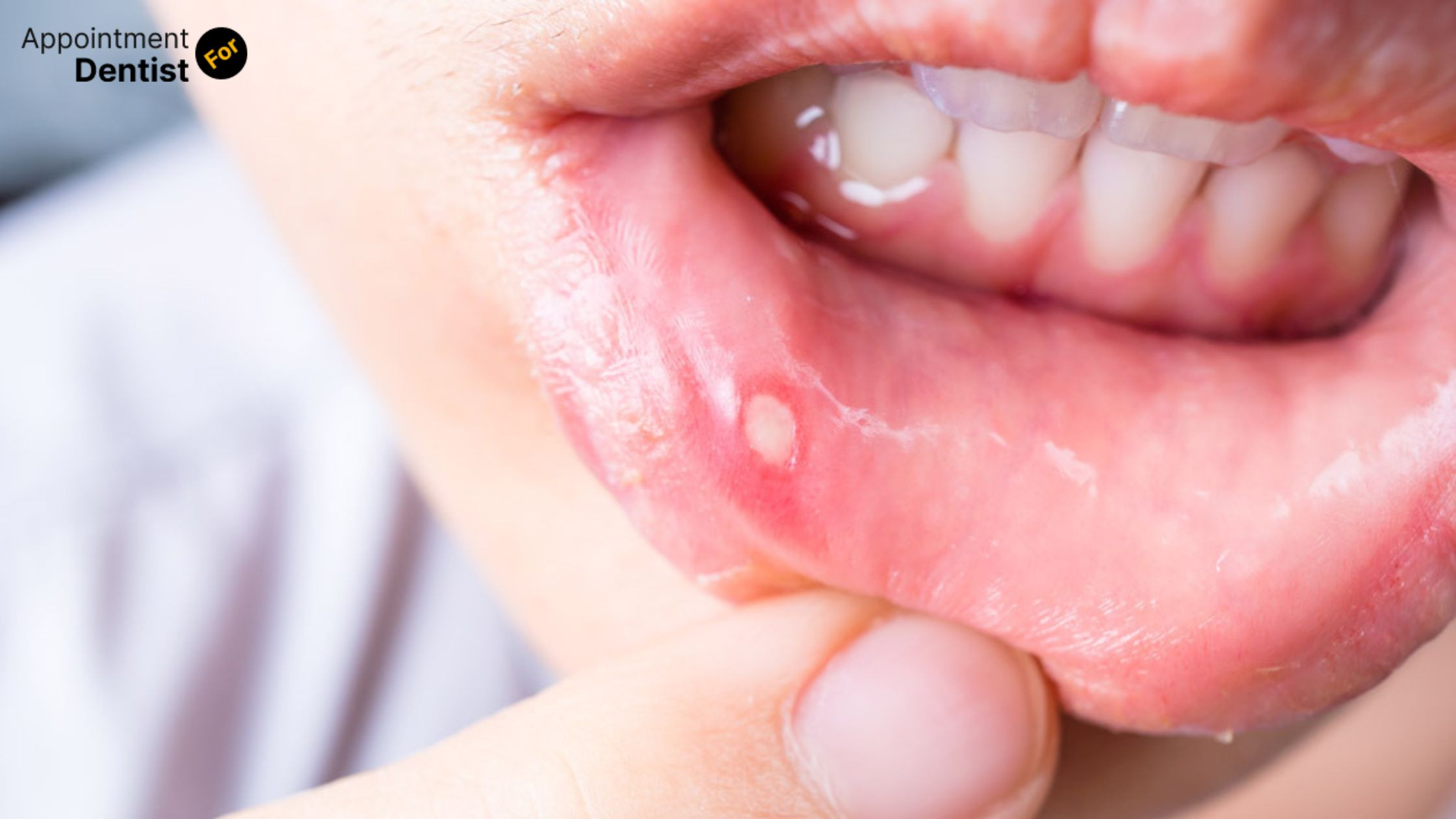
The signs and symptoms of canker sores generally include: Mouth ulcers causing pain: The sores are small and have either round or oval shapes that are white or grayish at their center with a red margin around them. Discomforts while eating, drinking or talking. Mild swelling of the affected area. Diagnosis Usually, a healthcare professional can tell if someone has canker sores just by looking at them and asking about their experiences. Further investigations may be necessary in cases of severe or recurrent ones to ensure that there are no underlying conditions or nutritional deficiencies when doing so becomes evident. Blood tests or biopsies could be conducted where diagnosis is uncertain or if the sores are larger than usual or last longer.
Treatment Options
Canker sores generally last between 1 and 2 weeks before clearing up by themselves, although many forms of treatment can make them feel less painful while they’re there:
- Over-the-Counter Medications: Various OTC products helping reduce pain/soreness include topical anesthetics (e.g., benzocaine), etcetera.
- Prescription Medications: Often when one has a very bad case of it, his/her physician would prescribe him/her corticosteroid creams or pills to take in order to make it less angry and painful.
- Mouth Rinses: antimicrobial mouthrinses with things like chlorhexidine, hydrogen peroxide, corticosteroids have been known to calm the affected area as well as preventing secondary infections.
- Pain Relief: Ibuprofen or acetaminophen may provide relief from minor pains but they are not the only nonsteroidal anti inflammatory drugs available for use.
- Avoiding Irritants: It is important to know what food or substance may cause them in order to avoid aggravating an existing sore.
- Maintaining Oral Hygiene: Keeping the mouth clean can help prevent secondary infections and promote healing using a soft-bristle toothbrush with fluoride toothpaste.
Must Read: 7 Mistakes to Avoid When Choosing a Dental Plan
Conclusion
Final thoughts: Recurrent Aphthous stomatitis, or canker sores, are generally harmless but can be irritating. To properly manage this condition, it is key to comprehend its potential causes, note the symptoms and know what treatments exist. Canker sore attack can be prevented through constant intake of well-balanced meals, managing mental stress and good oral hygiene. In advanced stages or when such conditions occur frequently, getting professional medical advice on effective treatment will ultimately help you stay comfortable and maintain oral hygiene.
Faqs
-
1. What are the primary causes of canker sores?
Canker sores can be caused by several factors including nutritional deficiencies (e.g., vitamin B12, folic acid, iron), stress, hormonal changes, food sensitivities (such as citrus or spicy foods), and underlying health conditions like autoimmune disorders. However, the exact cause can vary from person to person.
-
2. How can I treat a canker sore at home?
At home, you can treat canker sores by using over-the-counter topical medications for pain relief, such as those containing benzocaine. Rinsing with a saltwater or baking soda solution can also help soothe the sore. Avoid irritating foods and maintain good oral hygiene to support healing.
-
3. When should I see a doctor for canker sores?
Consult a doctor if your canker sores are unusually large, persist for more than two weeks, are accompanied by severe pain, or if you experience additional symptoms like fever or swollen lymph nodes. Frequent recurrences might also warrant professional evaluation to rule out underlying conditions.
-
4. Can stress really trigger canker sores?
Yes, stress is a known trigger for canker sores. Emotional and physical stress can impact the immune system and contribute to the development of canker sores in some individuals. Managing stress through relaxation techniques and lifestyle changes may help reduce their frequency.
-
5. What dietary changes can help prevent canker sores?
To help prevent canker sores, avoid foods that trigger or worsen them, such as citrus fruits, spicy foods, and chocolate. Maintain a balanced diet rich in essential vitamins and minerals, especially vitamin B12, folic acid, iron, and zinc. Drinking plenty of water and avoiding excessive consumption of irritating foods can also be beneficial.
Recent Post
- The Importance of Oral Health Education for Children
- How to Choose the Right Orthodontic Treatment for Adults
- The Link Between Oral Health and Stroke Risk
- How to Address and Prevent Gum Recession
- Innovations in Dental Anesthesia: Pain-Free Procedures
- The Role of Saliva in Oral Health: Functions and Disorders
- Exploring Holistic Dentistry: What You Need to Know
- How Oral Health Affects Your Immune System
- The Benefits of Using Dental Probiotics
- Oral Health and Pregnancy: Myths and Facts