The Role of Genetic Testing in Predicting and Managing Oral Diseases
Posted on August 06, 2024 by Admin
The Role of Genetic Testing in Predicting and Managing Oral Diseases
Oral diseases comprise a group of diseases and disorders that shall involve the structures associated with the mouth, ranging from dental caries and periodontal diseases to oral cancers and genetic disorders like cleft lip and palate. With increasing knowledge regarding genes and their role in causing these diseases, the importance of genetic testing will also grow as a predictor of oral diseases and in their management. The exact role that genetic testing currently holds or will come to hold in oral health, its advantages, and consequences for the patient and professional are all discussed hereafter.
Understanding Oral Diseases
Oral diseases can contribute a great deal to general health and the quality of life. They can result from several sources, some of which include poor oral hygiene, lifestyle, environmental factors, and genetic predispositions. Common examples of oral diseases include:
- Dental Caries: Decay of teeth as a result of the interaction of bacteria with sugars.
- Periodontal Diseases: Diseases affecting the gums and supporting apparatus around the teeth.
- Oral Cancer: Malignant growths in the oral cavity, mostly related to tobacco and alcohol use.
- Genetic Disorders: Those, like cleft lip and palate, caused by genetic mutations.
Understanding the genetic background of these oral diseases can be very helpful in prevention and early diagnosis, followed by treatment tailored to the needs of the individual.
Must Read: 7 Mistakes to Avoid When Choosing a Dental Plan
The Role of Genetic Testing
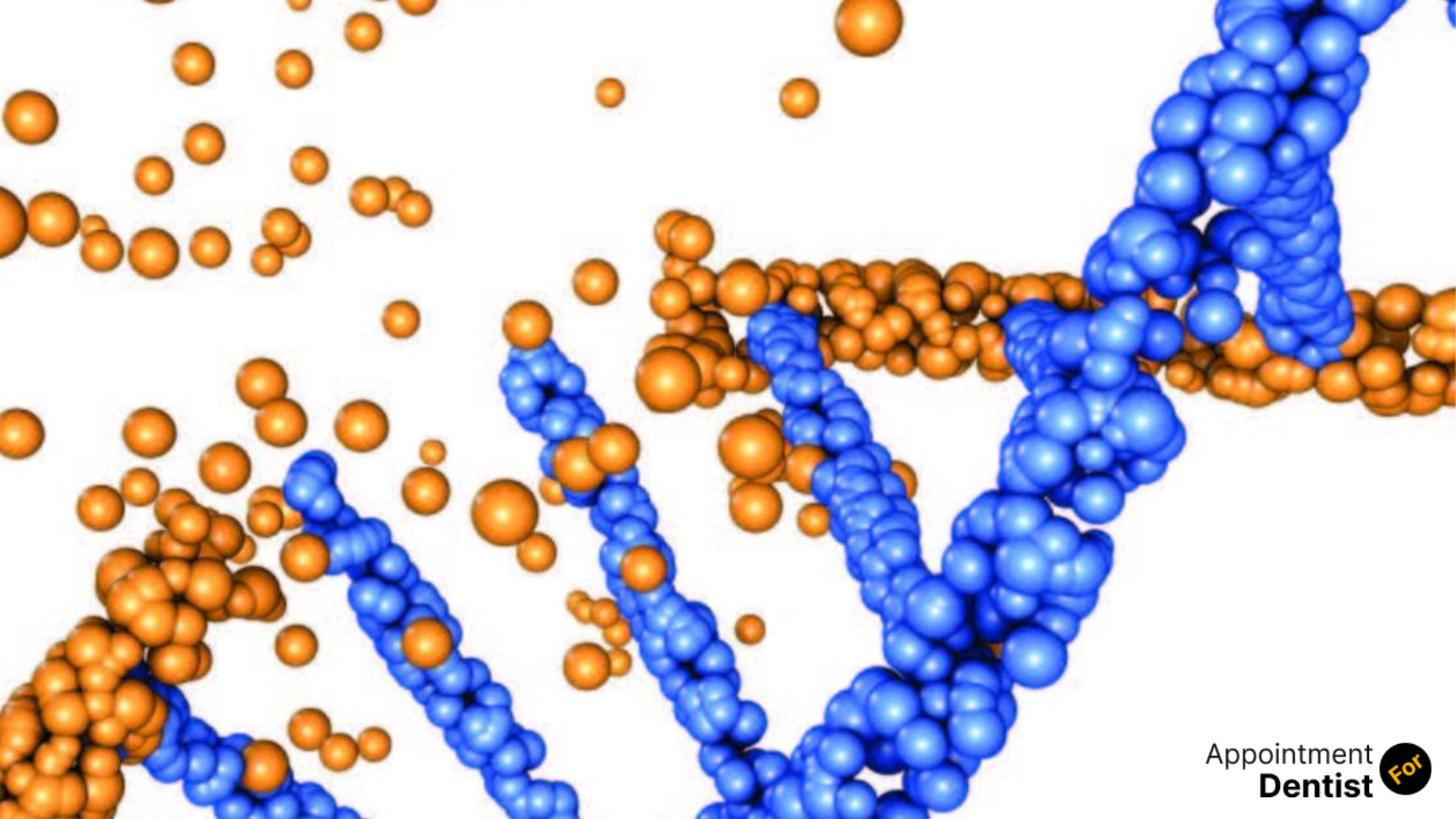
Genetic testing is a process of examining DNA to identify particular genetic variations or mutations that increase an individual's risk of developing certain diseases, including dental diseases. Critical roles of genetic testing in predicting and managing oral diseases are as follows:
- Risk Assessment
Genetic tests can identify individuals who are more prone to certain oral conditions. Genetic markers for some forms of periodontal disease indicate that an individual will most likely acquire it than the usual. In case such markers could be traced, health workers may insist on preventive measures and take extra care of the more vulnerable.
- Early Detection
Early detection is very essential for the effective management of oral diseases. Genetic testing, on the other hand, shall be useful in finding predispositions to oral cancers or other serious conditions before the symptoms manifest. This will help in timely interventions, and the result regarding the treatment would be quite successful.
- Personalized Treatment Plans
Knowing one's genetic background will lead to the tailoring of suitable treatment strategies in an individual patient. In patients who are predisposed to some oral conditions, more frequent dental appointments or special oral hygiene instructions may be necessary, and targeting therapies could be administered.
- Family Planning and Counseling
In cases of a genetic disorder, such as cleft lip and palate, the genetic test will be able to return information useful for a family who would like to have children. It will aid in deciding on family planning and hence warn prospective parents against any possible health problems.
- Research and Development
Genetic testing thus plays a very vital role in research meant to ascertain the root causes of oral diseases. Genetic factors, once established, help researchers come up with new therapies and preventive measures that will help to improve oral health for the future generation.
Also Read: Things You Should Know About Dental Insurance
Benefits of Genetic Testing in Oral Health
Some of the benefits attached to genetic testing applied in oral healthcare include:
- Better Prevention: Genetic risk factors identification will give better proactivity in prevention.
- Better Outcomes: With early detection and tailored treatment plans, it becomes possible to deal with oral diseases much better for better patient outcomes.
- Empowerment in Decisions: Genetic testing would provide very useful information to the patient in order to make better decisions about his or her oral health and treatment options.
Conclusion
Genetic testing is playing an immense role in predicting and diagnosing oral diseases nowadays in health care. That genetic predisposition can help health care professionals come up with some effective personalized strategies for prevention and treatment to improve the outcomes for the patients. The role played by genetic testing in oral health is only to become more integral as research continues to unfurl in this area, thus assisting people to take responsibility for oral health and make informed decisions. If you are worried that you may be predisposed to dental diseases, you may want to speak with your healthcare provider about genetic testing.
Faqs
-
1. What is a Genetic Test?
Genetic testing is the laboratory analysis of a person's DNA for specific genetic variations or mutations that may put one at higher risk of acquiring certain diseases, including dental diseases.
-
2. How Does a Genetic Test Help in Managing Oral Diseases?
Genetic testing estimates a person's risk toward some oral conditions, allowing early detection, guiding the proponent of certain specific tailored treatments, and thus informs decisions about family planning.
-
3. Is genetic testing of oral diseases covered by insurance?
Some, but not all, insurance companies cover the genetic tests, depending on the type of tests performed. You will have to call your insurance company about coverage.
-
4. Are there any risks associated with genetic testing?
Although the test itself of genetics is relatively safe, there are possible psychological and emotional consequences of genetic information. These factors must be discussed with a health care provider or genetic counselor.
-
5. How can I get genetic testing for oral diseases?
If you're interested in genetic testing, discuss it with your dentist or your healthcare provider. Your risk factors will be evaluated, after which you will be sent for consultation with a genetic counselor or a specialist accordingly.
Recent Post
- The Importance of Oral Health Education for Children
- How to Choose the Right Orthodontic Treatment for Adults
- The Link Between Oral Health and Stroke Risk
- How to Address and Prevent Gum Recession
- Innovations in Dental Anesthesia: Pain-Free Procedures
- The Role of Saliva in Oral Health: Functions and Disorders
- Exploring Holistic Dentistry: What You Need to Know
- How Oral Health Affects Your Immune System
- The Benefits of Using Dental Probiotics
- Oral Health and Pregnancy: Myths and Facts